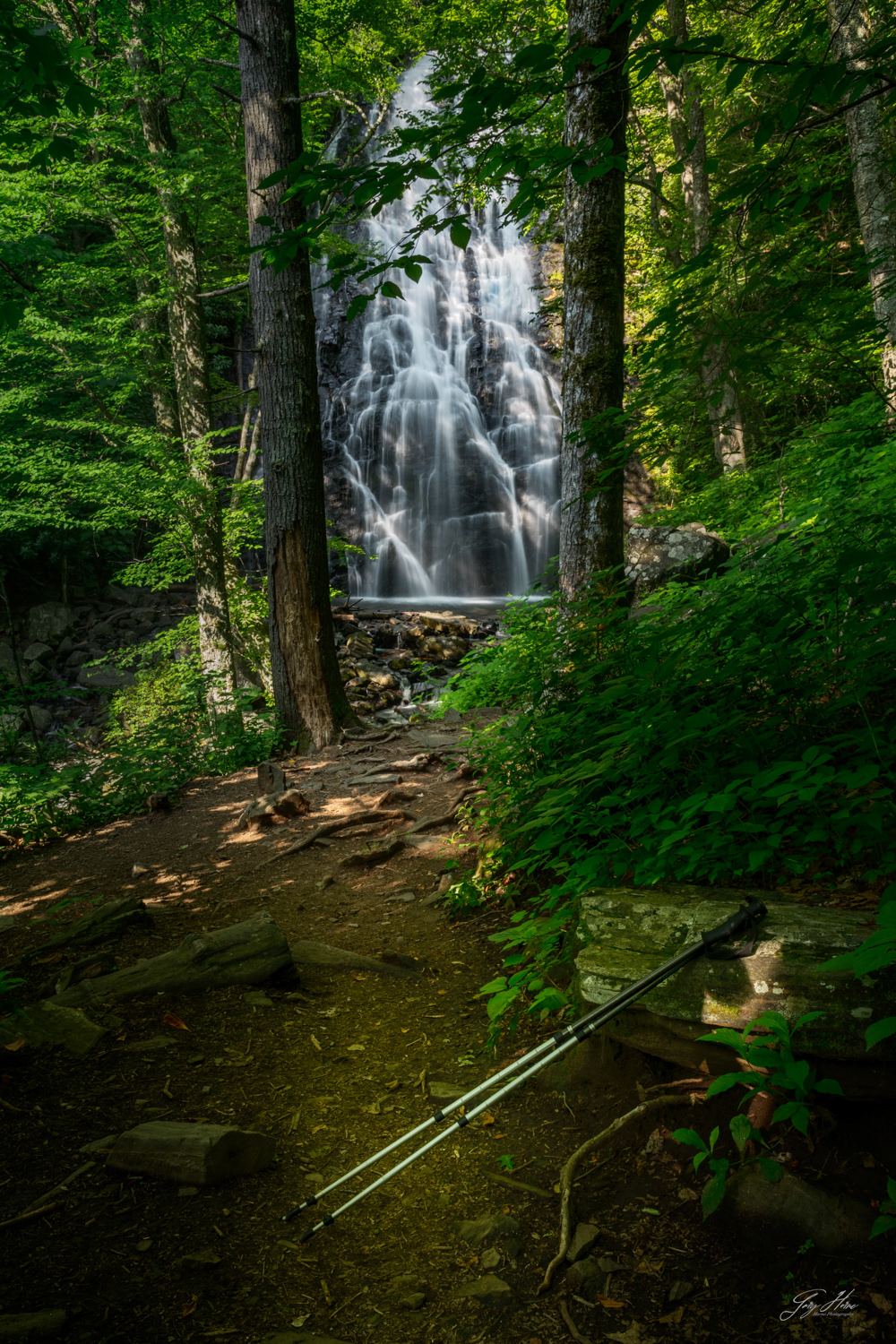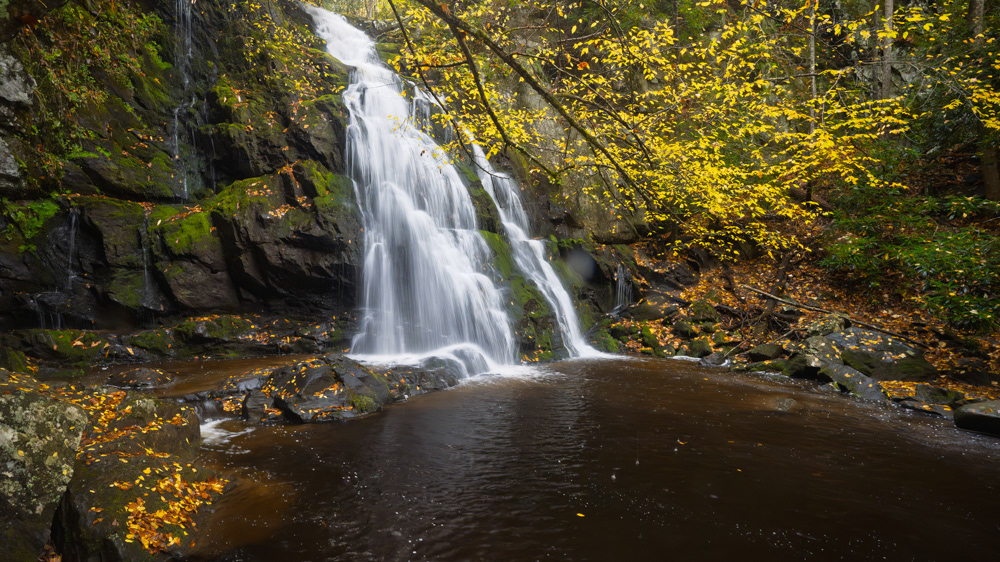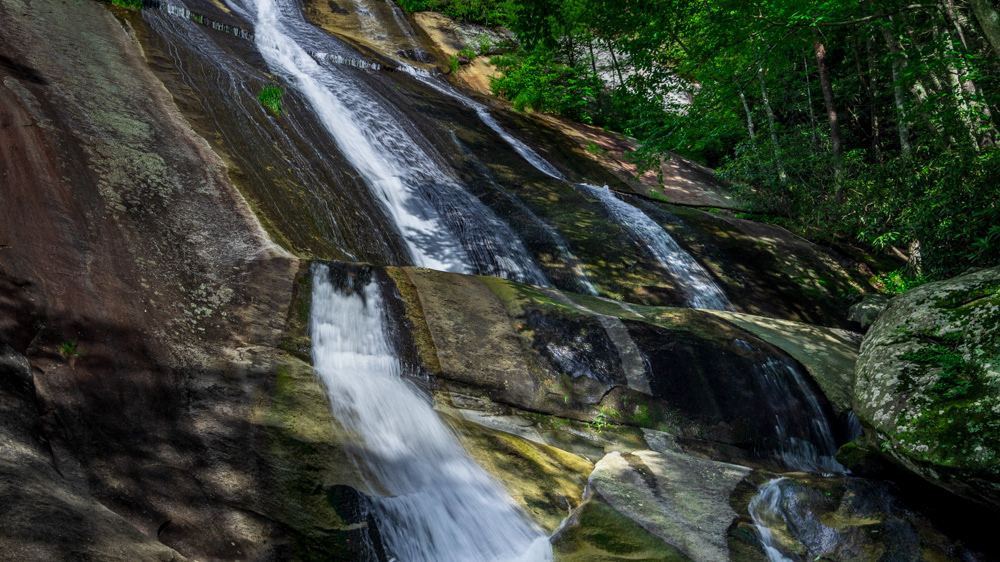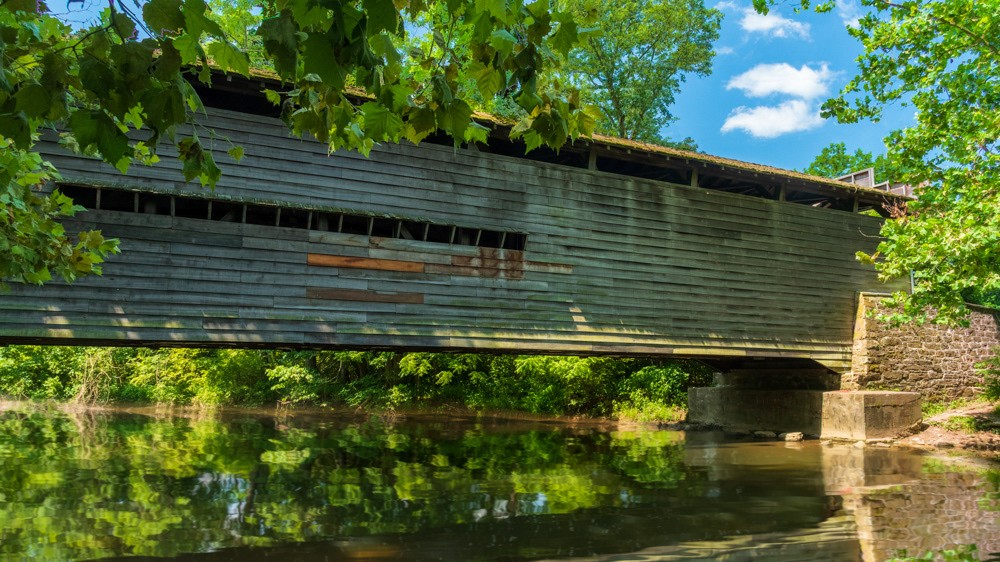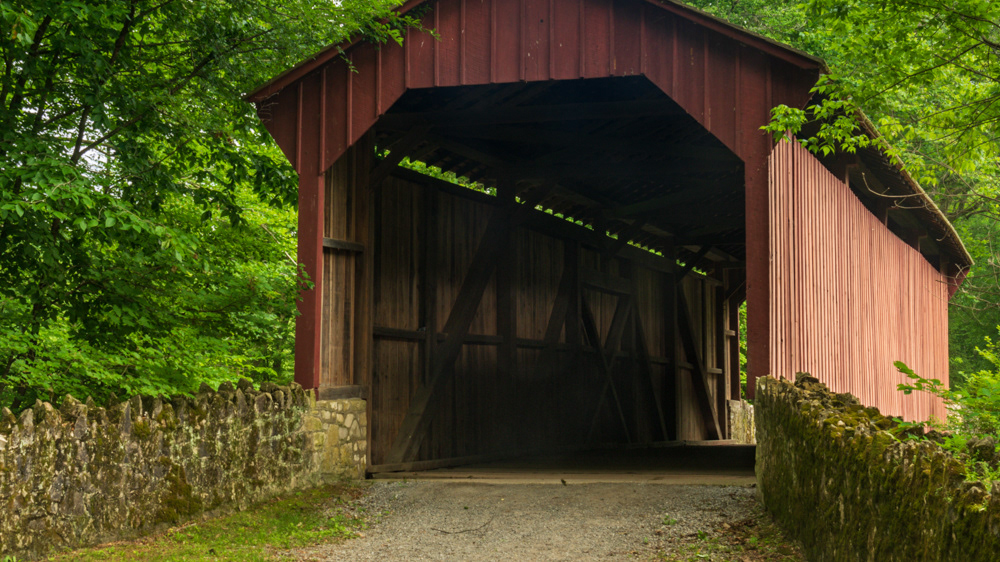
Nikon D750, Nikon 16-35 mm lens @ 16 mm, f14! @ 0.6 sec
“The future of life on Earth depends on our ability to see the sacred where others see only the common.”
— John Denver
— John Denver
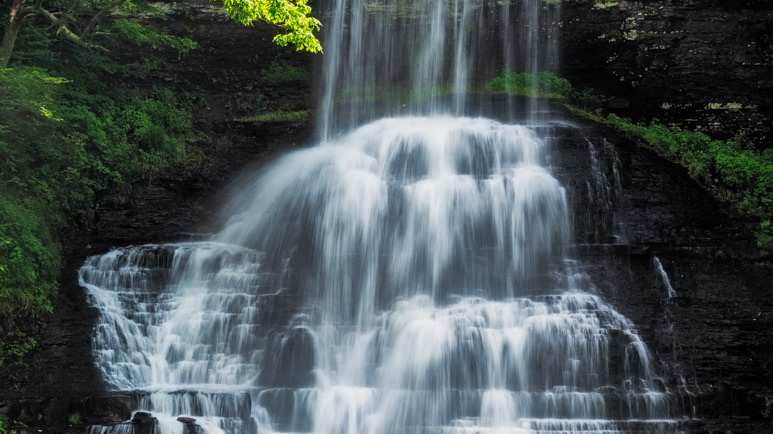
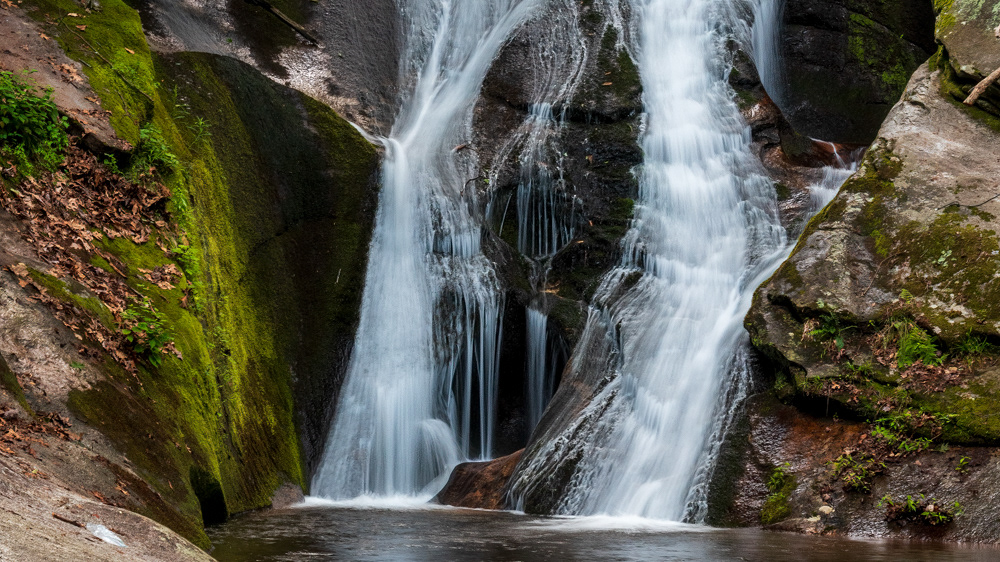
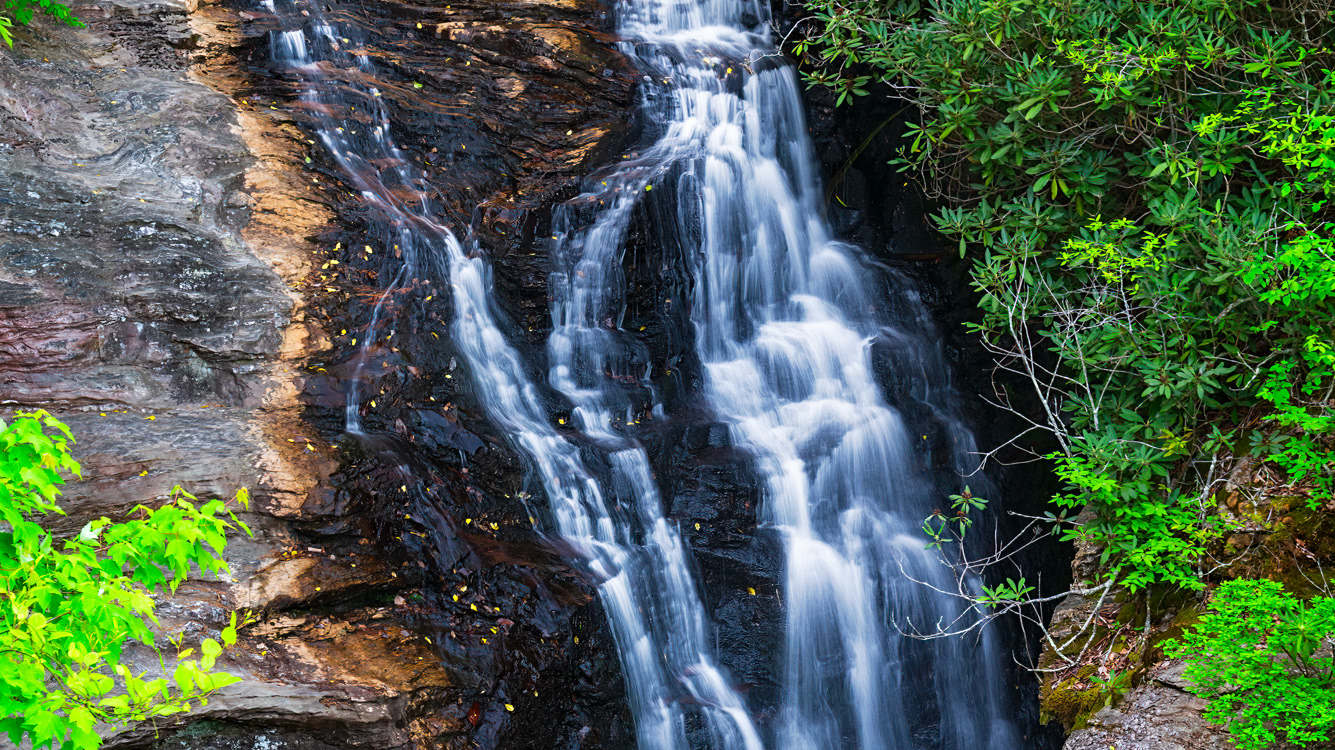
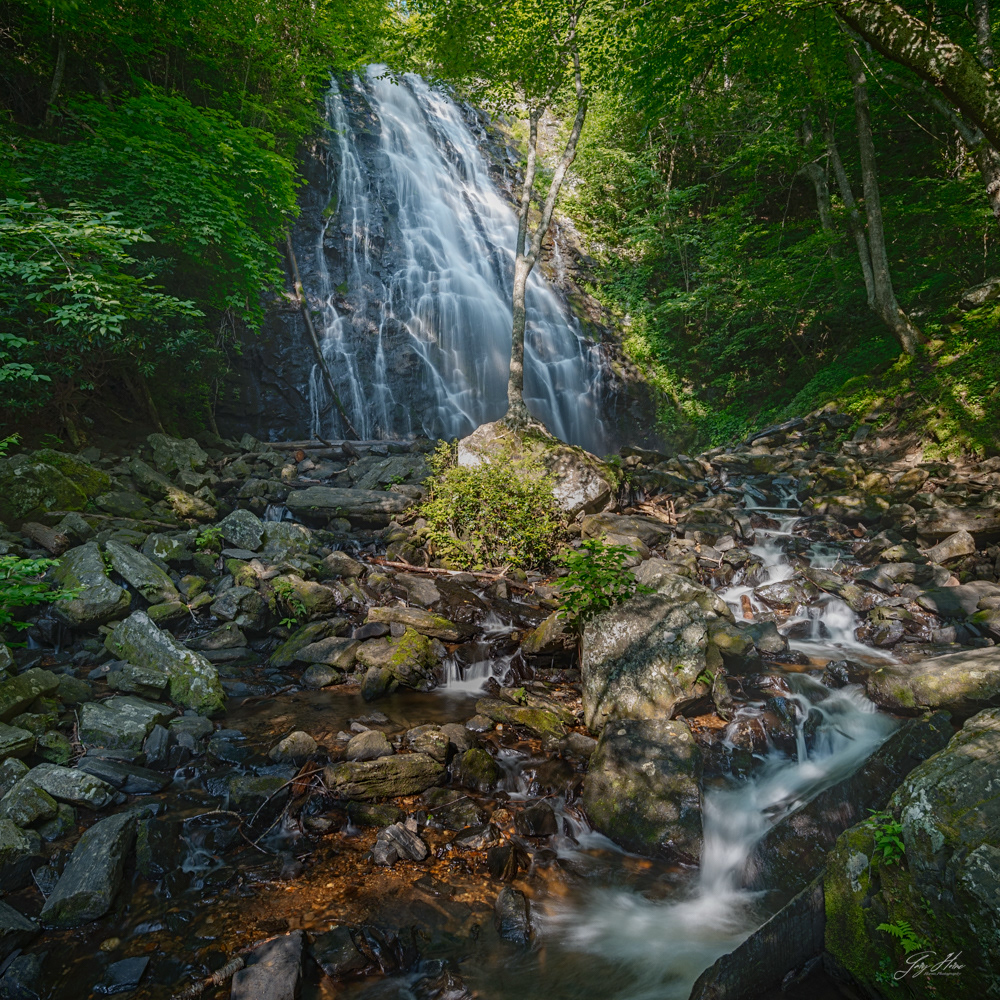
Crabtree Falls is one of the most beautiful and rewarding waterfalls along the Blue Ridge Parkway. Located at milepost 339.5, just south of Little Switzerland, North Carolina, the falls cascade approximately 70 feet over Big Crabtree Creek. The setting is particularly beautiful because the waterfall is surrounded by the dense forests and rugged terrain of the Blue Ridge Mountains.
Getting There
For GPS directions, use 2352 Blue Ridge Pkwy, Burnsville, NC 28714, or use the map below to open Google Maps. Be sure to check the status of the Blue Ridge Parkway before your trip, as sections of the parkway are periodically closed because of weather, maintenance, or other conditions. As of 2026 Crabtree Falls is closed as the Parkway in that area is still being rebuilt after Helene. Check the National Park Service for road-closure information.
Crabtree Falls was originally known as Murphy Falls. A small community once existed nearby, including a church and blacksmith shop. When construction of the Blue Ridge Parkway began in the 1930s, the National Park Service renamed the waterfall Crabtree Falls.
The Hike
From the parking area just off the parkway, follow the signs through the campground for approximately half a mile to the beginning of the Crabtree Falls Trail. The trail forms a loop, giving you two options: the shorter 1-mile route to the right or the longer 1.6-mile route to the left.
Although the hike to the falls is moderate, the return climb is considerably more strenuous. The trail has approximately 625 feet of elevation gain and includes rocky, uneven sections and exposed roots. Good, waterproof hiking boots are highly recommended, particularly after rain.
The right-hand trail descends fairly steadily toward the falls, which means the return hike is a continuous uphill climb. The left-hand route is more gradual, with several relatively flat sections, but includes a steep section near the trailhead and another very steep section closer to the waterfall.
On one visit, I took the right-hand trail and reached the falls in about 30 minutes. I returned via the left-hand trail, which took approximately an hour and ten minutes. Allow yourself plenty of time and take care on the descent and ascent, particularly when the trail is wet. Restroom facilities are available at the parking area.
My Visits
My first visit to Crabtree Falls was on a cold February morning. I arrived at the parking lot around 9:30 a.m. after driving through clouds along the Blue Ridge Parkway. On the hike down, I encountered two deer—and almost nothing else alive except the forest itself.
Then I reached the waterfall.
The raw power and beauty of Crabtree Falls stopped me in my tracks. I stood on the bridge overlooking the creek, almost gasping in awe. It was one of those rare moments when the landscape completely commands your attention.
I returned in June, and once again had the waterfall largely to myself for most of the visit. By the time I left around 10 a.m., however, other hikers were beginning to arrive. If solitude is important to you, an early morning visit is well worth considering.
Photographing Crabtree Falls
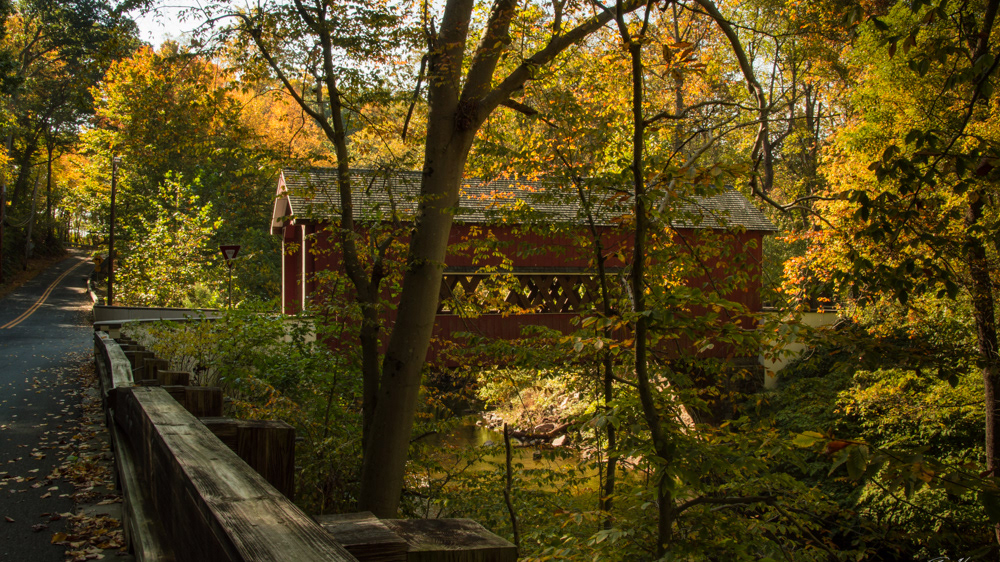
Once you reach the waterfall, the photographic possibilities are excellent in every season. One of the best vantage points is the bridge crossing the creek below the falls, where you can capture the entire cascade from a relatively easy and stable position.
For additional perspectives, carefully explore the trails along both sides of the creek. These locations provide different compositions and allow you to frame the falls against the surrounding forest.
Winter can be particularly rewarding for photographers. With the leaves off the trees, the waterfall becomes more visible from a distance, creating opportunities for wider compositions that are largely hidden during the summer.
Use extreme caution around the waterfall. The rocks can be wet, slippery, and uneven, and it is easy to lose your footing while concentrating on a photograph.
As with most waterfalls, overcast days and early mornings generally provide the best light. Cloudy conditions produce softer, more even illumination, while early morning light can keep direct sunlight from reaching deep into the valley. That said, Crabtree Falls is worth visiting even on a bright, sunny day—the combination of the waterfall, creek, and surrounding mountains makes it a spectacular destination in any weather.
More Information
For additional information, historical details, and excellent photography of Crabtree Falls, visit:
Kevin Adams Waterfalls
Romantic Asheville — Crabtree Falls
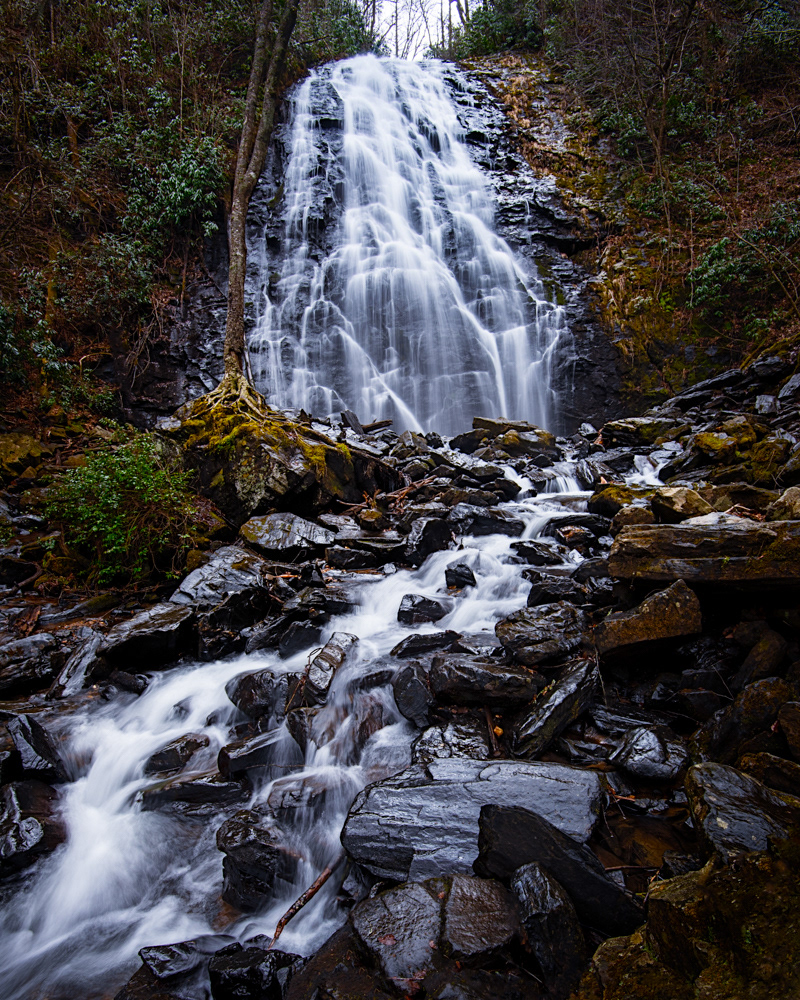
Nikon D750, Nikon 16-35 mm lens for 16 mm, f11 @ 0.3 sec
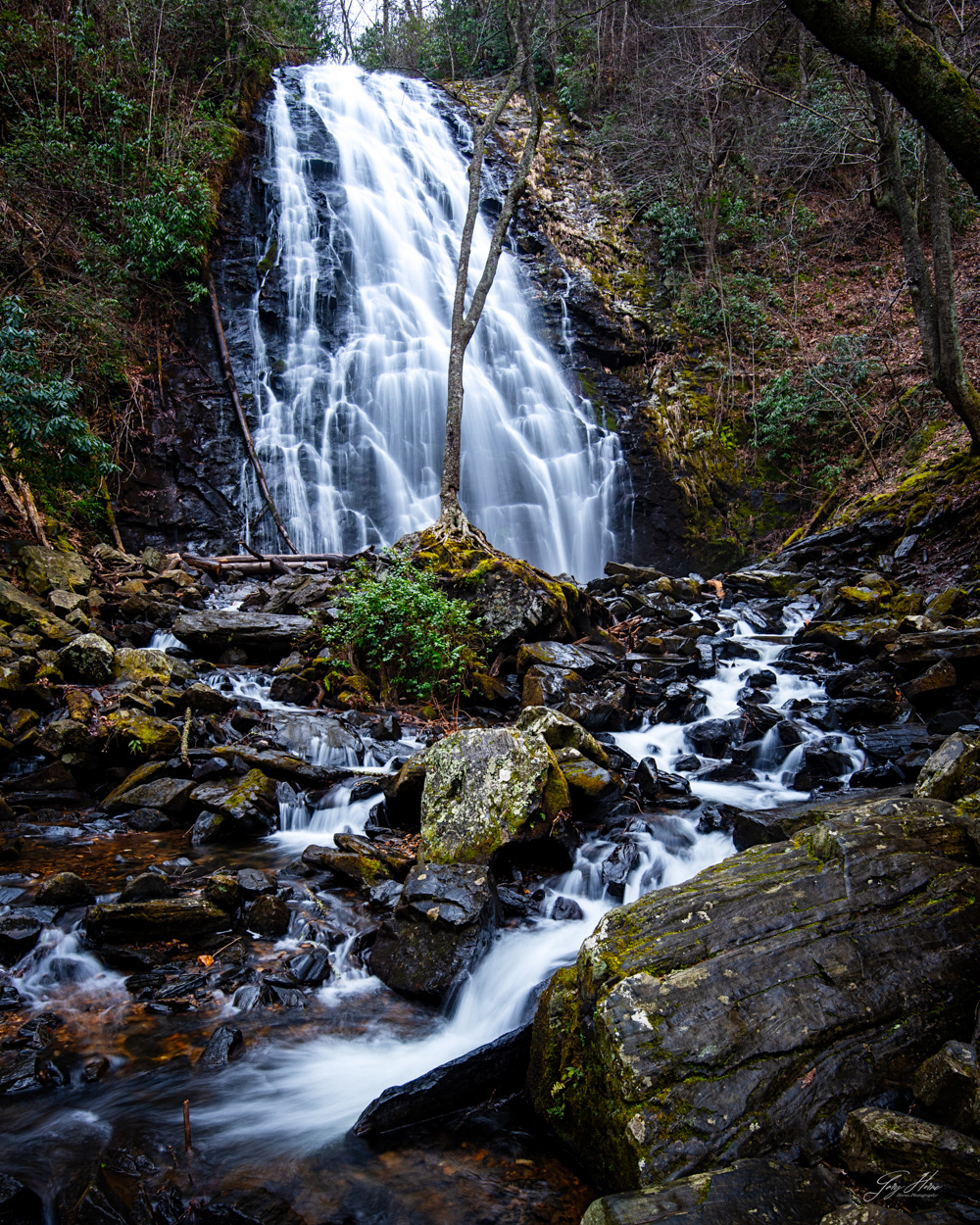
Nikon D750, Nikon 16-35 lens at 22 mm, f13 at 0.6 sec
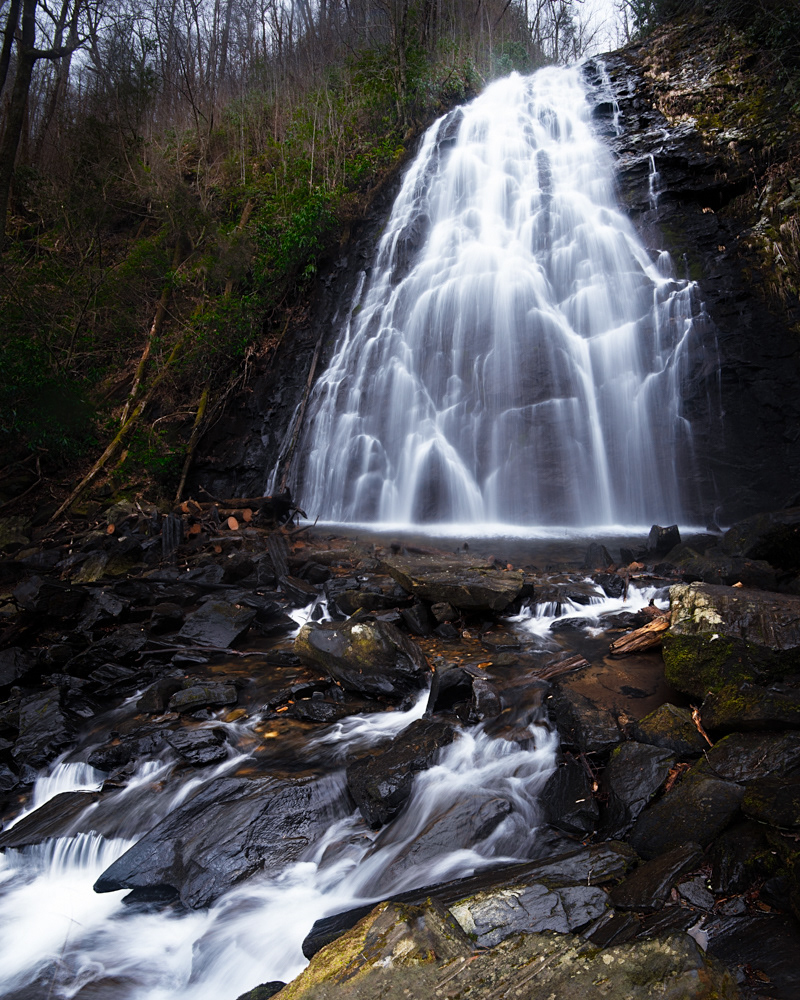
Nikon D750, Nikon 16-35 mm lens @ 16 mm, f11 for 0.3 sec
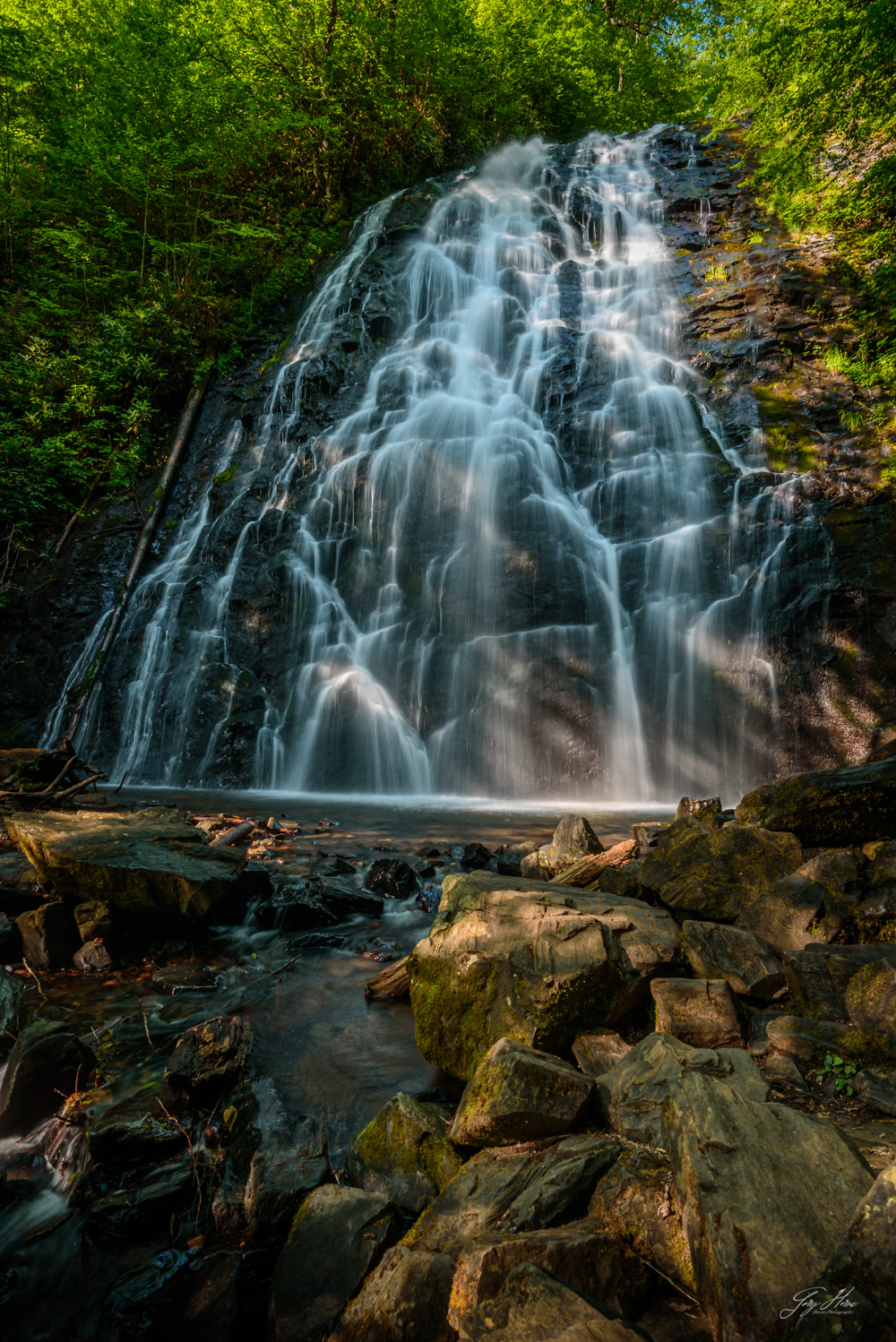
Nikon D750, Nikon 16-35 lens at 21 mm, f14 at 0.6 sec
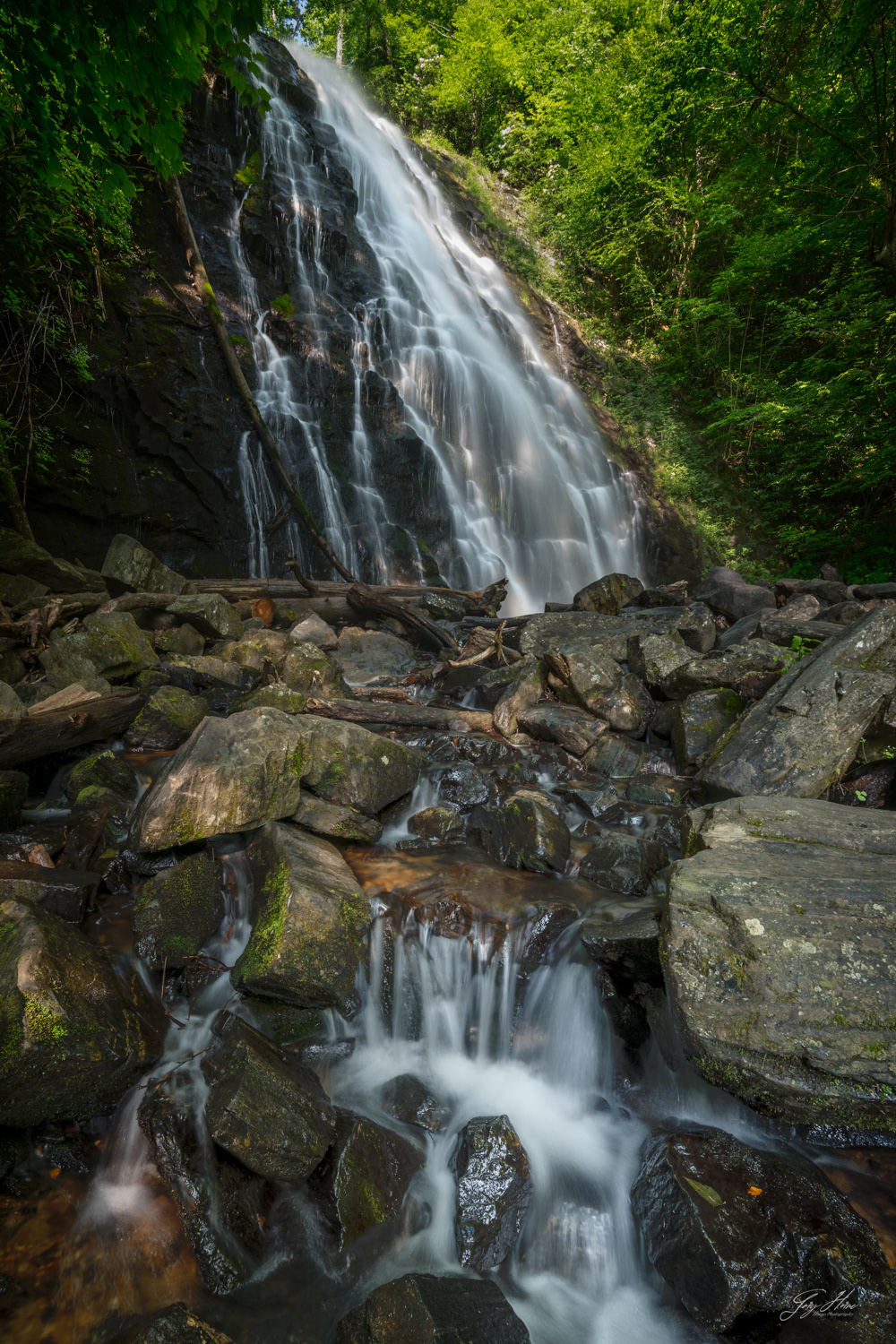
Nikon D750, Nikon 16-35 lens at 16 mm, f14 at 1.0 sec